
The New Generation: SAFD Graduate Show at Copenhagen Fashion Week SS27
What does the next generation of fashion designers want to say about the world — and how do they choose to say it through clothing?
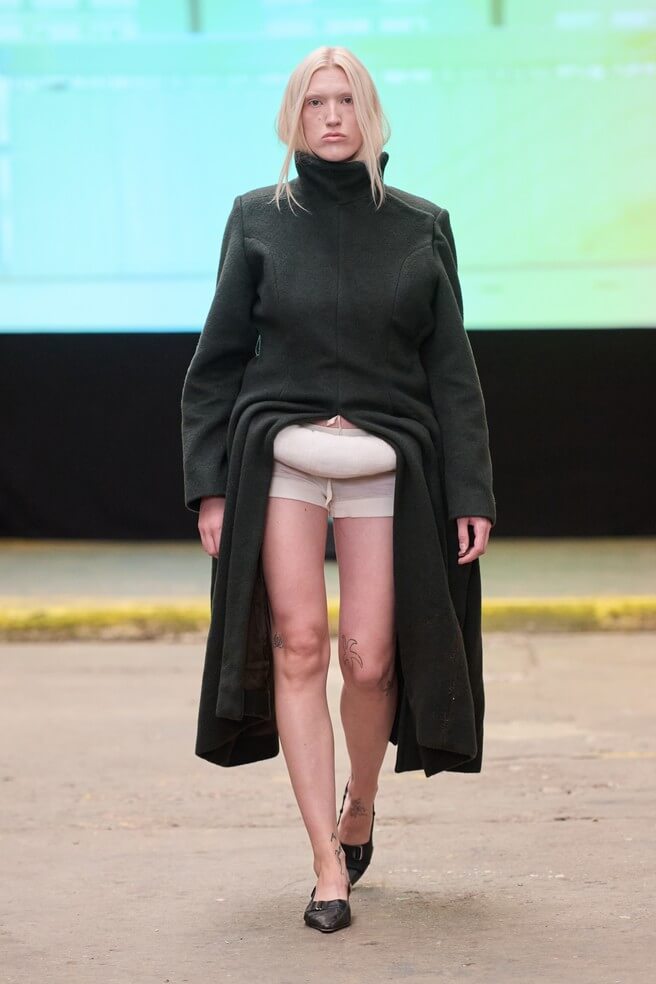
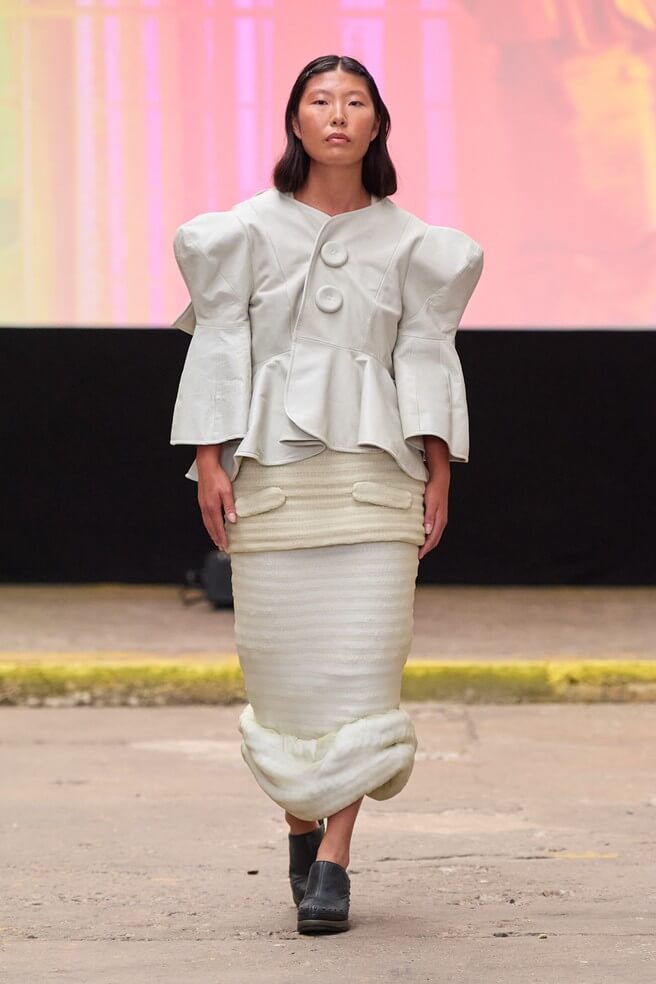
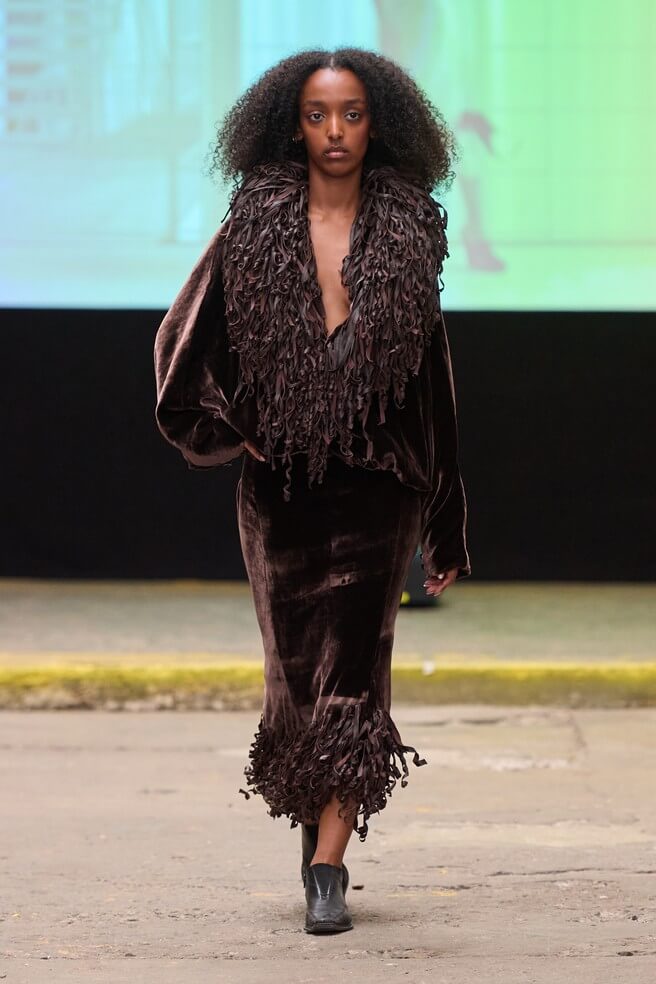
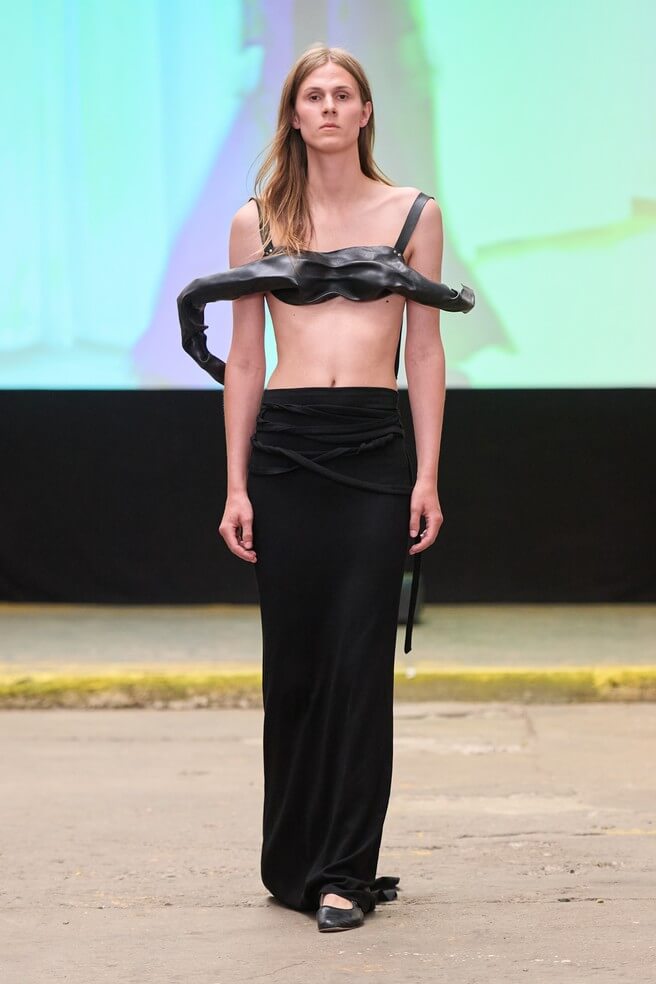
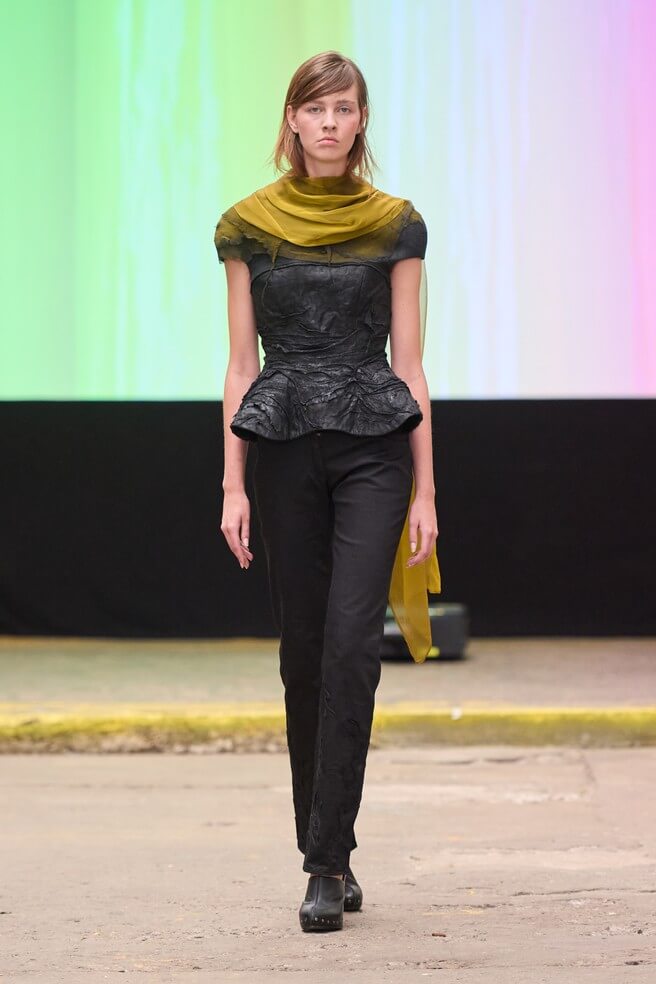
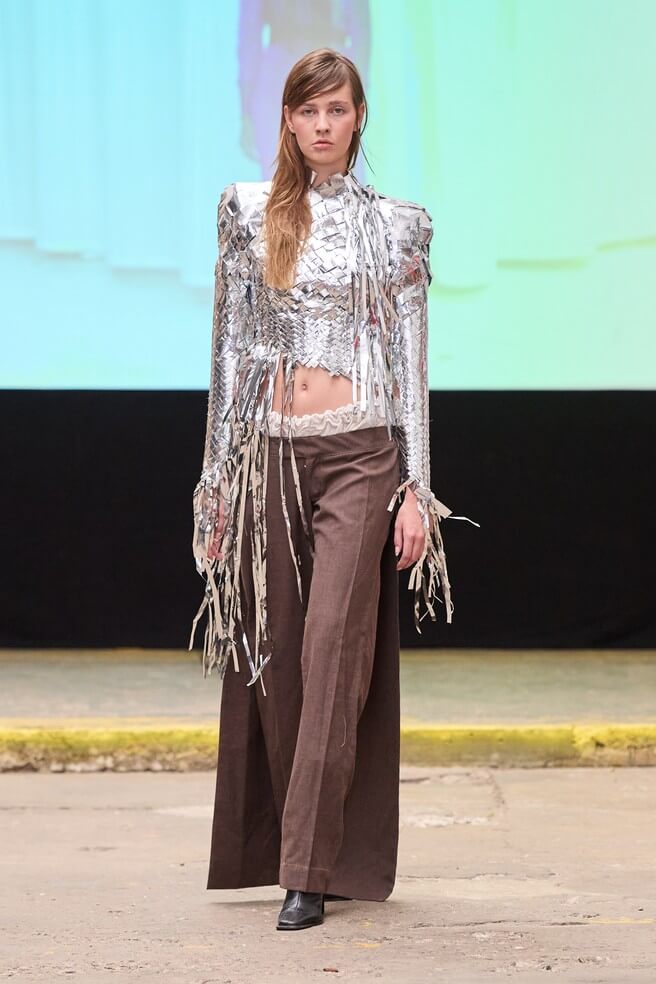
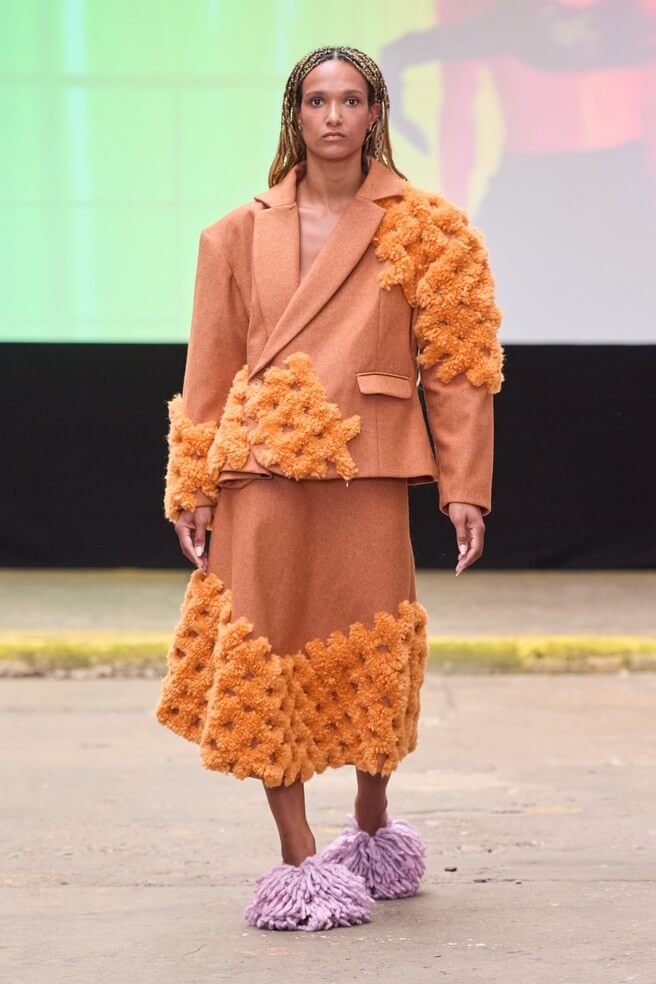
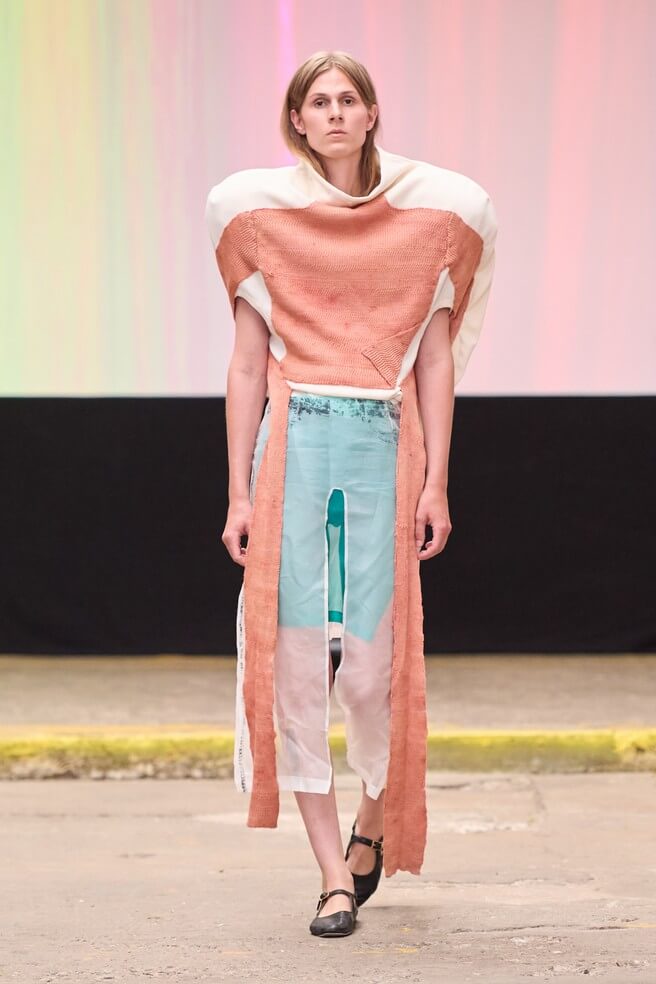
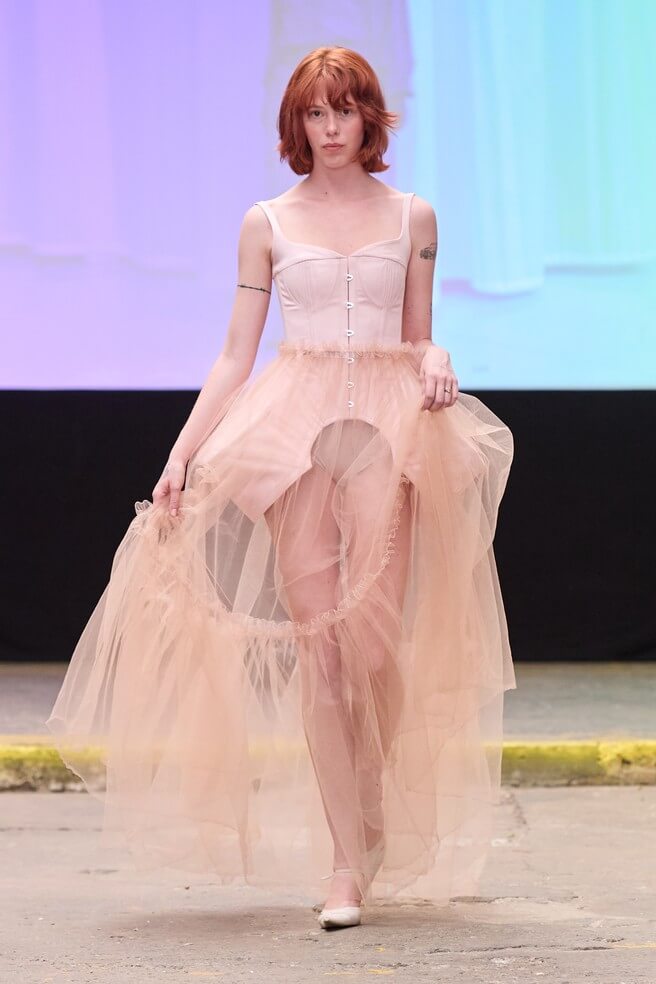
At Copenhagen Fashion Week SS27, the Scandinavian Academy of Fashion Design (SAFD) presented its graduate show, bringing together a series of collections shaped by experimentation, craftsmanship and a distinctly individual approach to fashion. Rather than following a single aesthetic direction, the showcase revealed a generation of designers looking for new ways to work with materials, techniques and ideas.
At the heart of the collections was a strong belief in making. Every garment was developed and constructed by the students themselves, from the initial concept to the finished piece. This hands-on approach becomes particularly interesting at a time when digital tools and artificial intelligence are rapidly transforming the fashion industry.
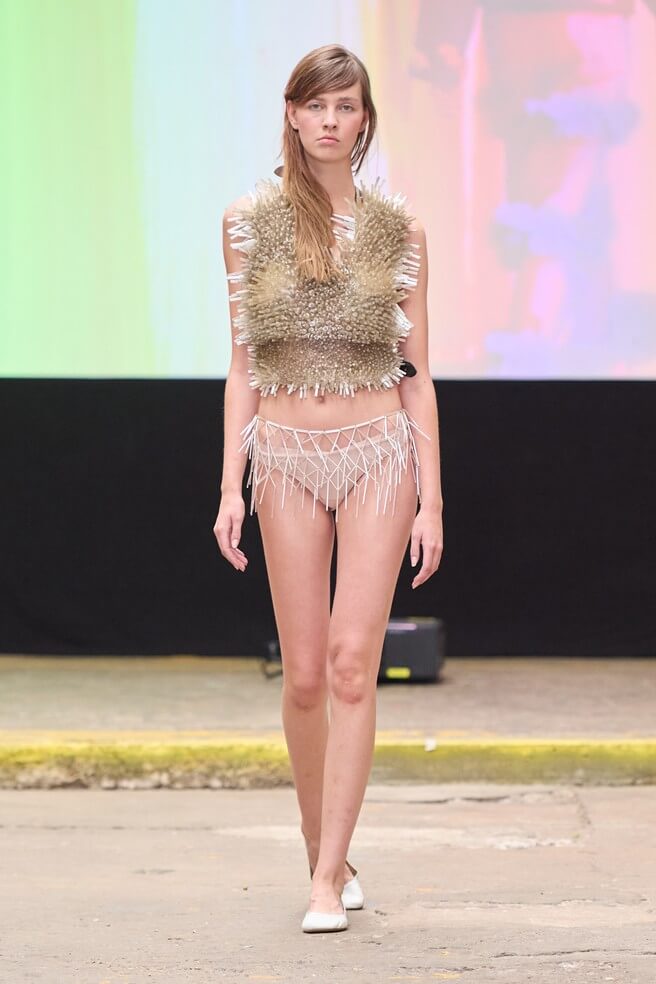
The question of what it means to make clothing by hand appeared in different forms throughout the show. One collection explored the delicate nature of garments through Kamiko, a traditional Japanese technique of working with paper. The choice of such a fragile material challenges our expectations of what clothing should be made from — and how permanent it needs to be.
Elsewhere, the relationship between technology and craftsmanship became a central theme. As fashion increasingly embraces digital design, automated processes and new technologies, the designers question what happens to the value of the human hand. Rather than rejecting innovation, these projects examine the space between technological progress and the physical act of making.
Beyond the familiar
The most compelling moments of the show came from the way familiar techniques were pushed into unfamiliar territory.
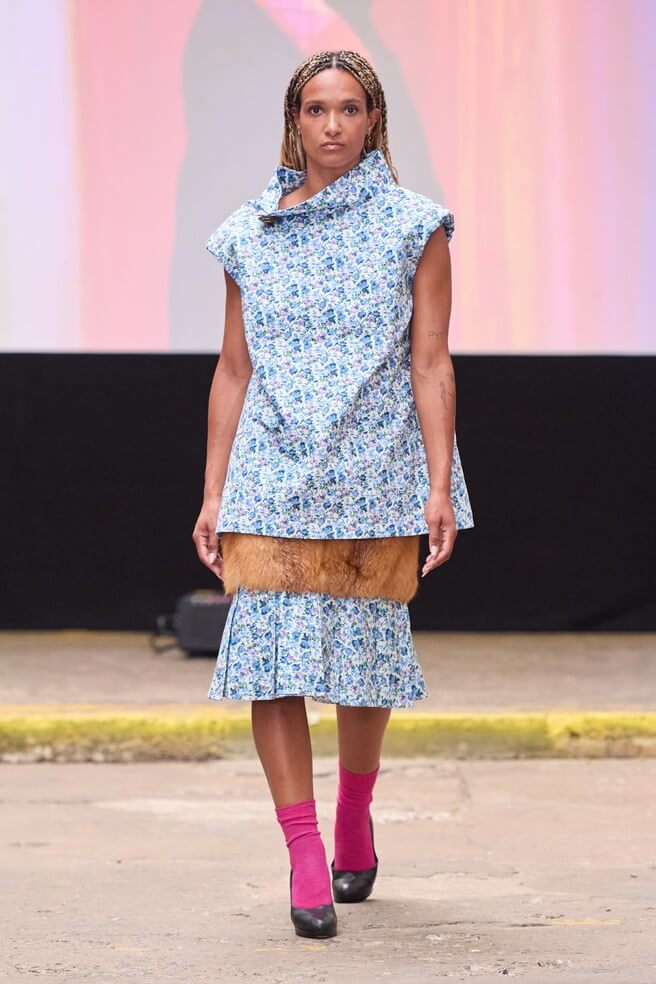
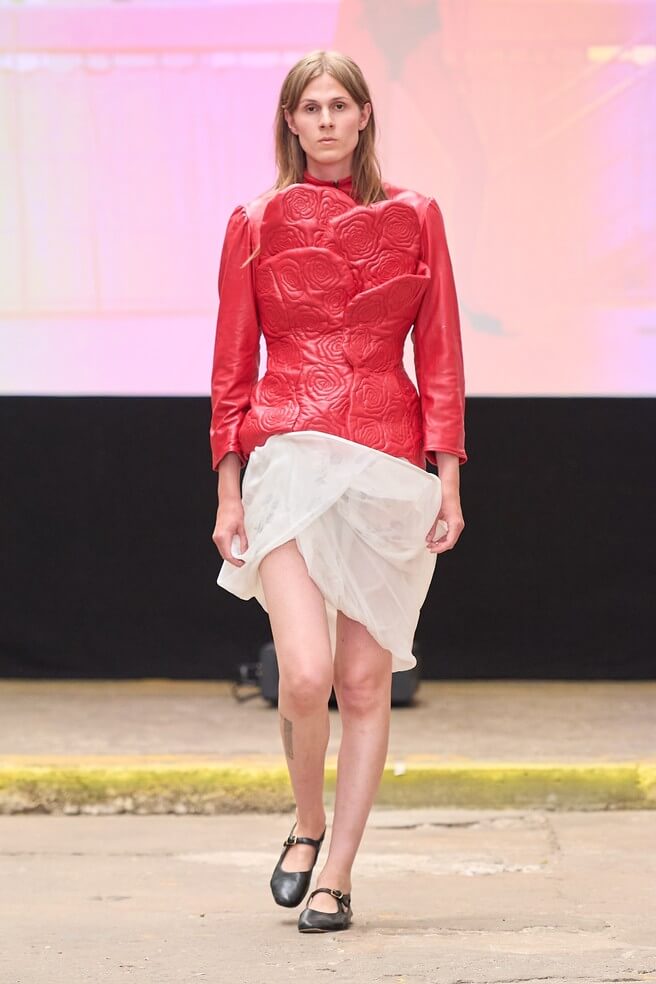
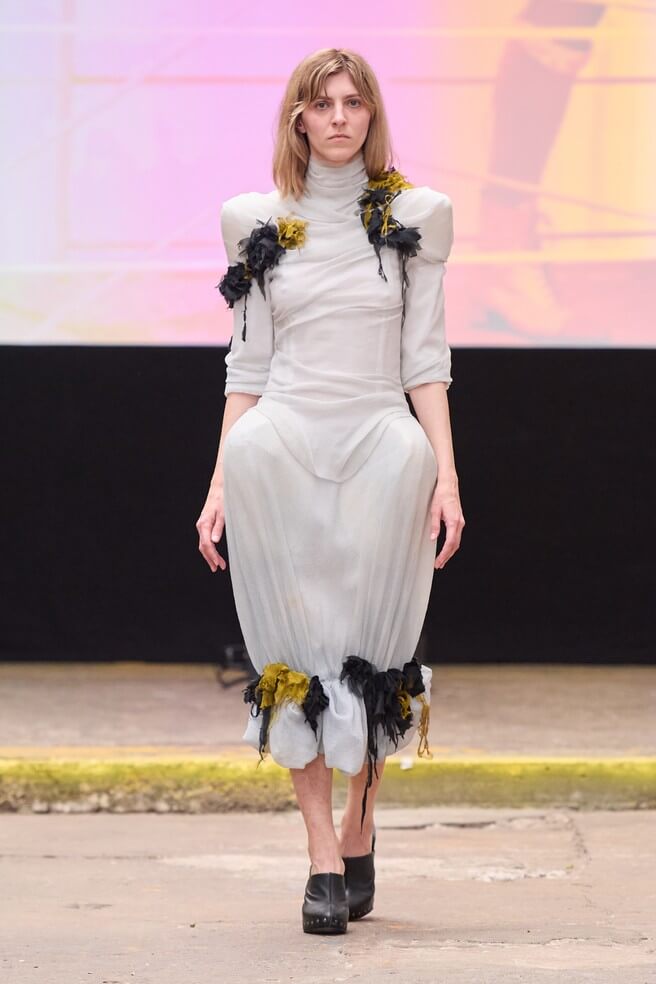
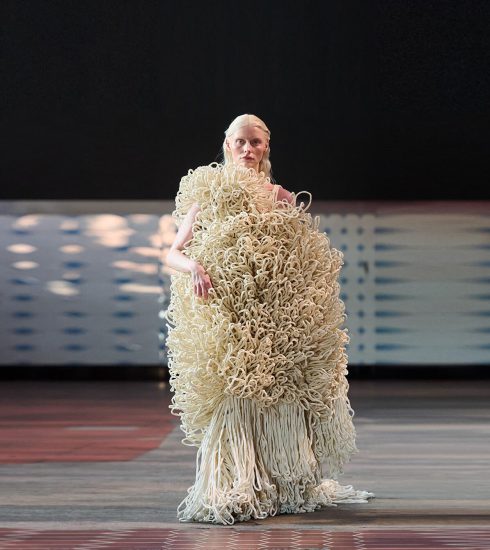
Airbrush painting, leather moulding, felting and weaving were transformed into tools for creating unexpected textures, surfaces and shapes. Traditional processes became experimental rather than nostalgic, allowing materials to behave in ways that challenge their conventional purpose.
This spirit of experimentation extended to the silhouettes themselves. Across the collections, clothing became a space for investigating volume, structure, texture and movement. Historical references and traditional dress practices appeared alongside ideas rooted firmly in contemporary life, creating a dialogue between what fashion has been and what it might become.
The students’ creative perspectives have also been shaped by encounters with established figures in the industry, including collaborations with Dilara Findikoglu, Iris van Herpen, BLESS and Threeasfour, as well as Danish fashion studios and industry professionals.
But perhaps the most interesting aspect of a graduate show is not the search for a single definition of the future. It is the opposite: the opportunity to see how differently emerging designers interpret the same moment in time.
Some look backwards, reclaiming techniques and traditions. Others look towards new technologies and unfamiliar materials. Some focus on the fragility of the handmade, while others question how far fashion can be transformed by innovation. Together, these different approaches form a portrait of a generation that is not afraid to experiment.
The SAFD graduate show was accompanied by a video installation, adding another layer to the presentation and reinforcing the idea of fashion as a space where clothing, image, material and concept can exist together.
For Amberzine, the most exciting part of the showcase was this diversity of ideas and visual languages. The collections demonstrated that emerging designers are not simply looking for new aesthetics — they are questioning processes, materials and the very role of fashion in a rapidly changing world.
And perhaps that is where the most interesting fashion begins: not with the search for something completely new, but with the courage to look at familiar things differently.