What Refuses to Disappear
Artist: Sepehr Badiei
Photography: Charlie Tallott
Grief is often imagined as an ending. For artist and hairdresser Sepehr Badiei, it has become something else: a space where memory, love and transformation continue to exist.
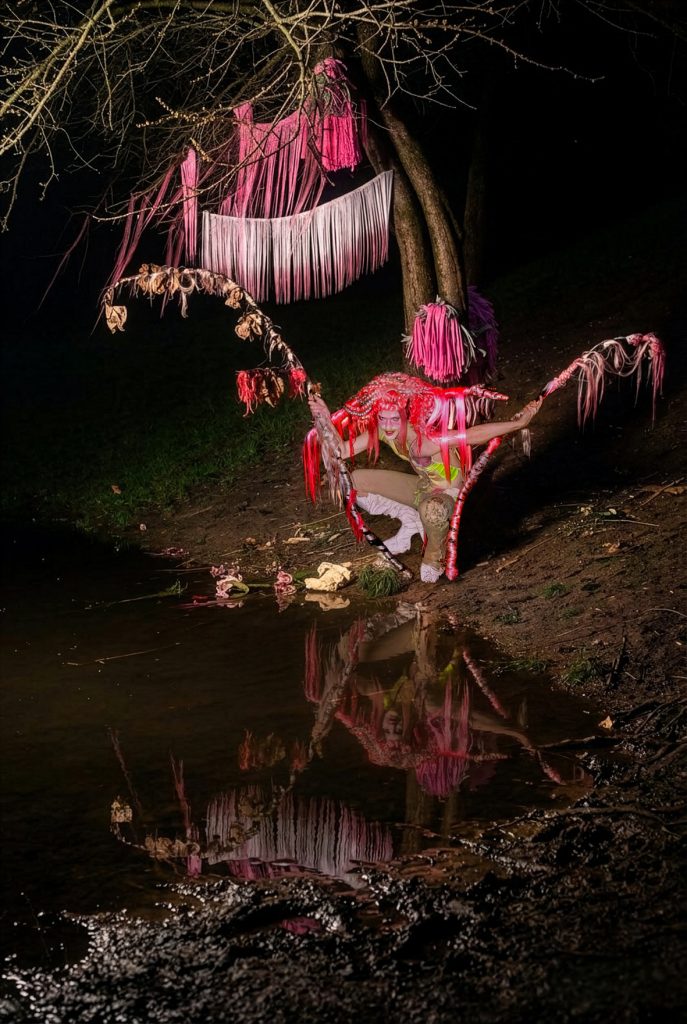
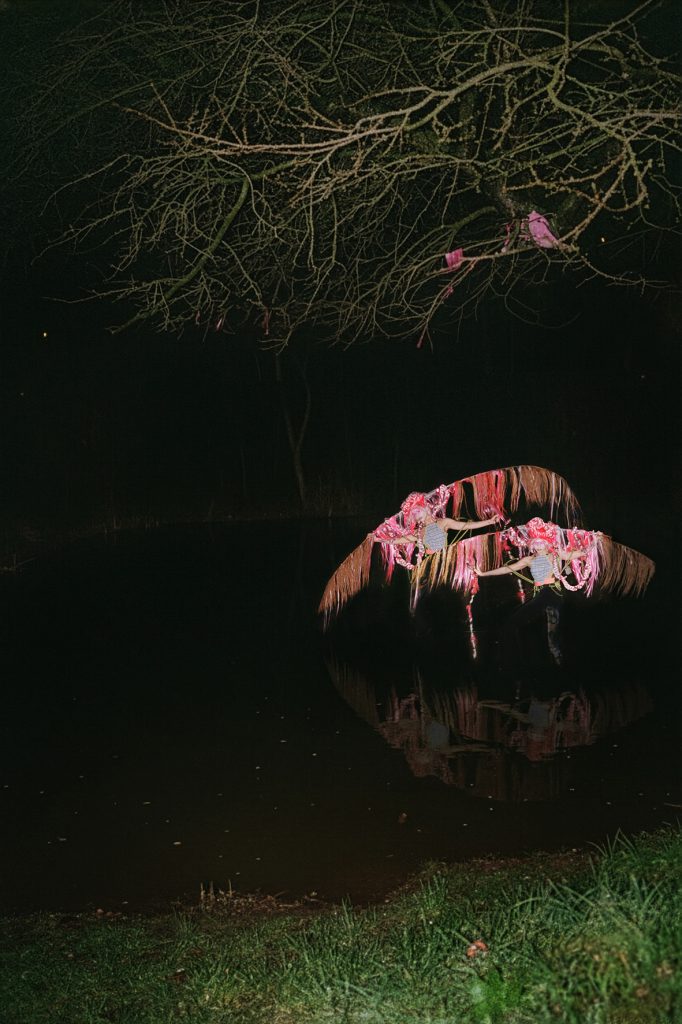
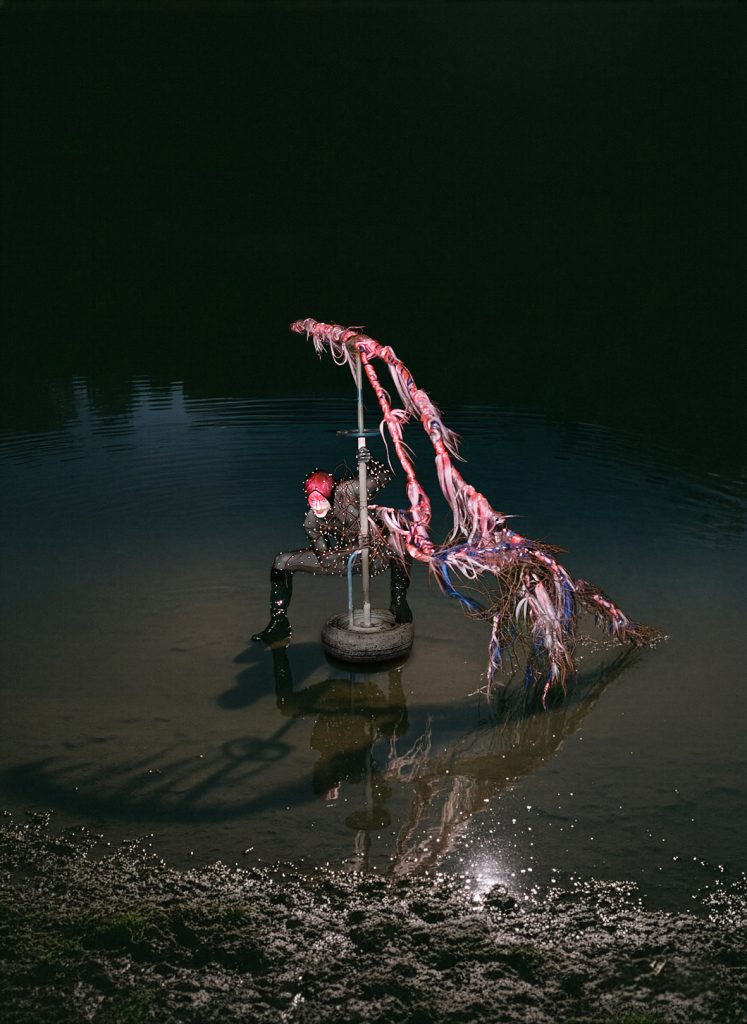
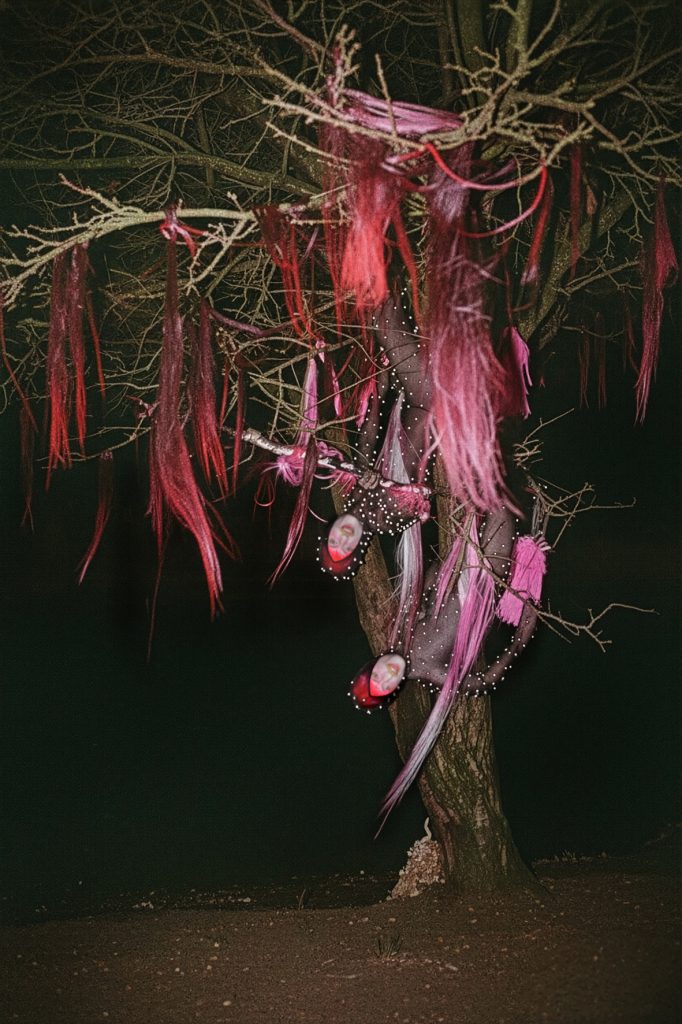
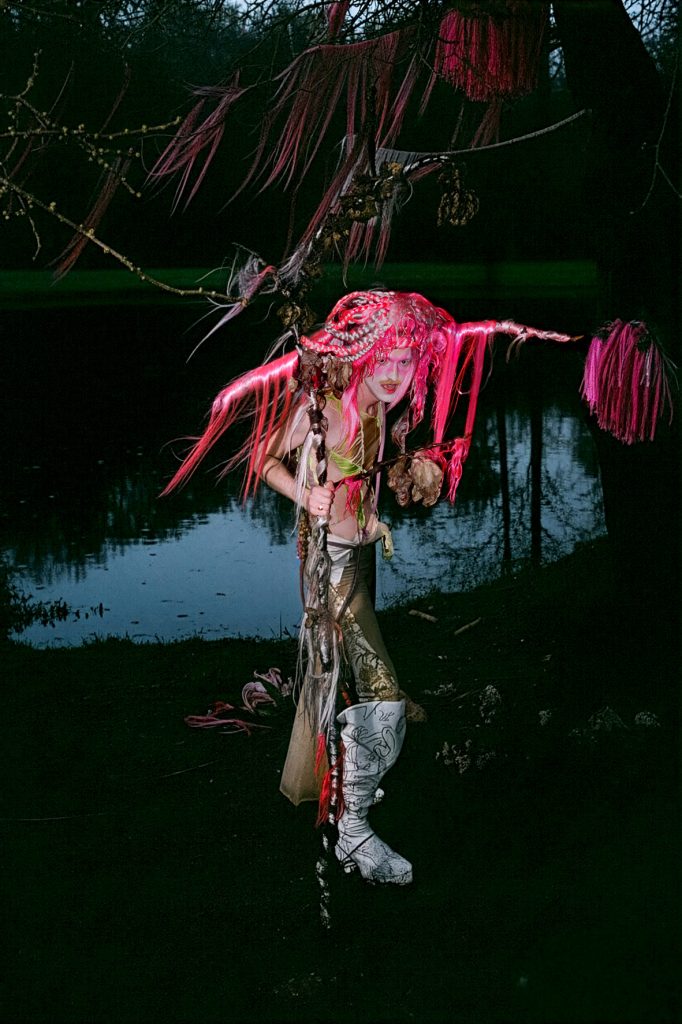
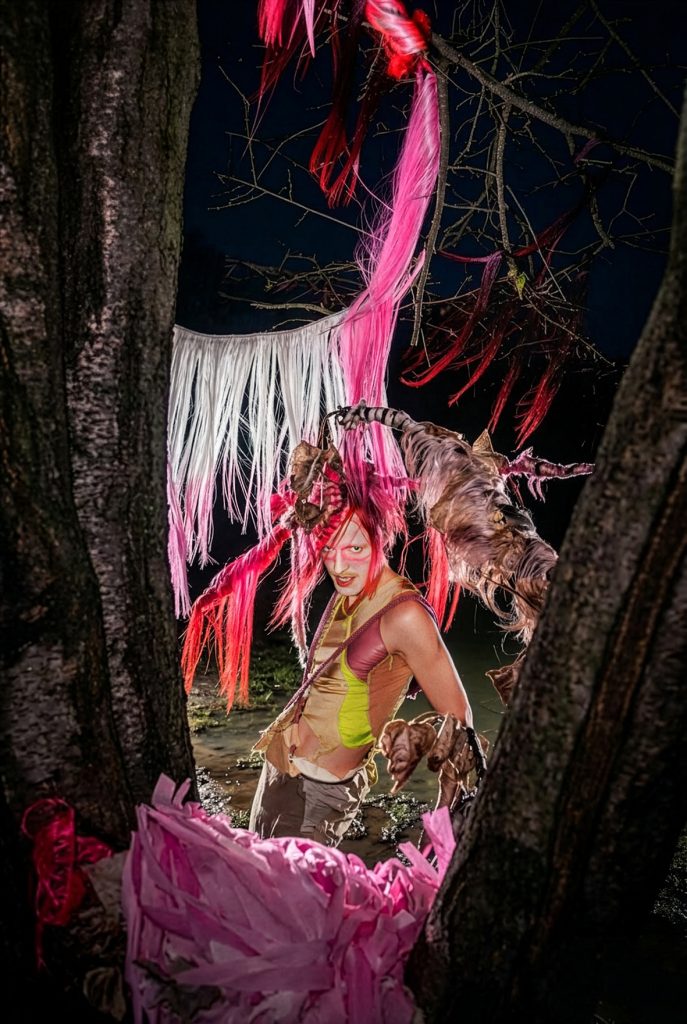
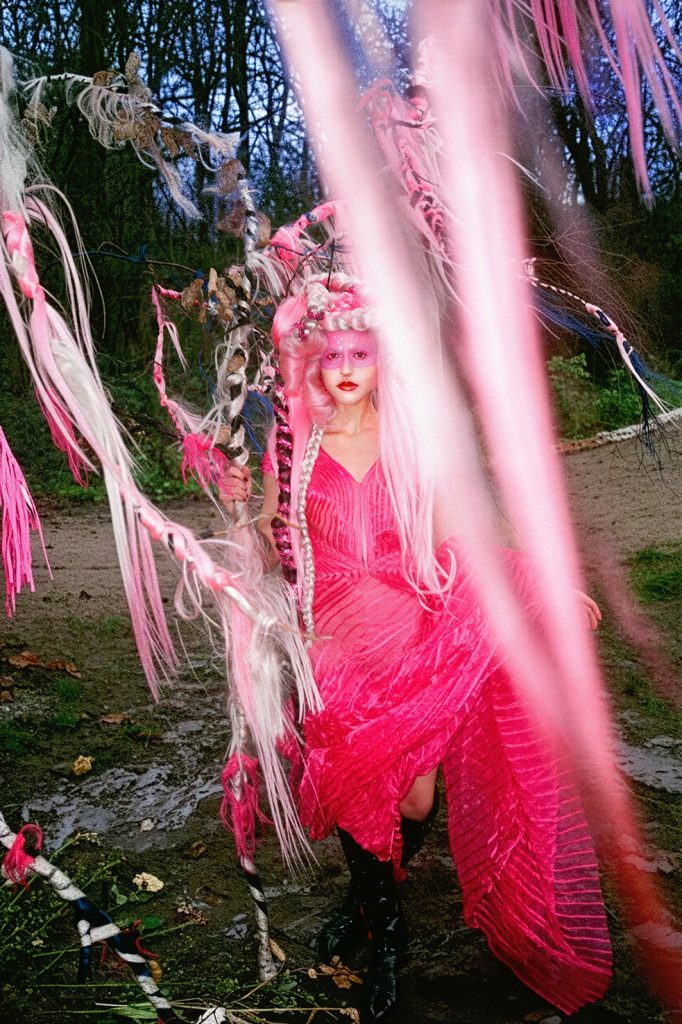
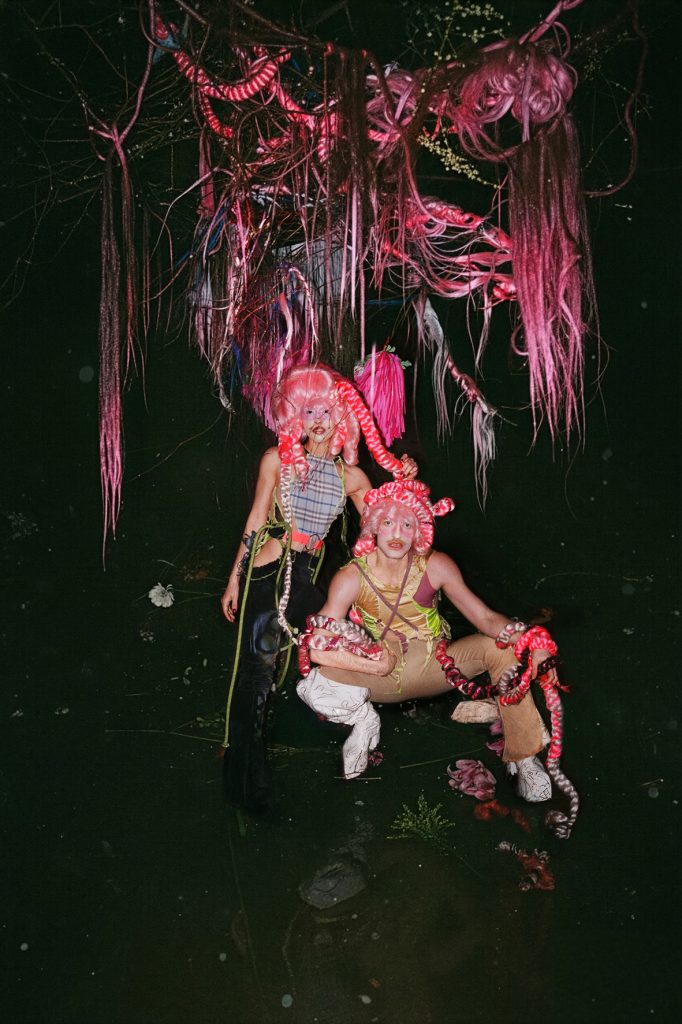
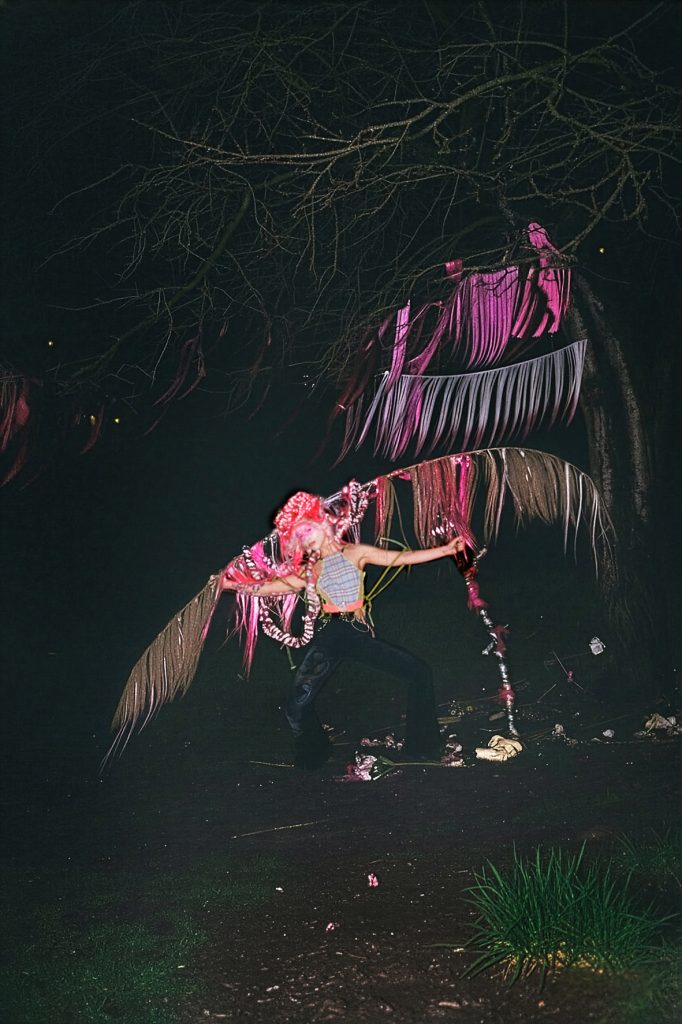
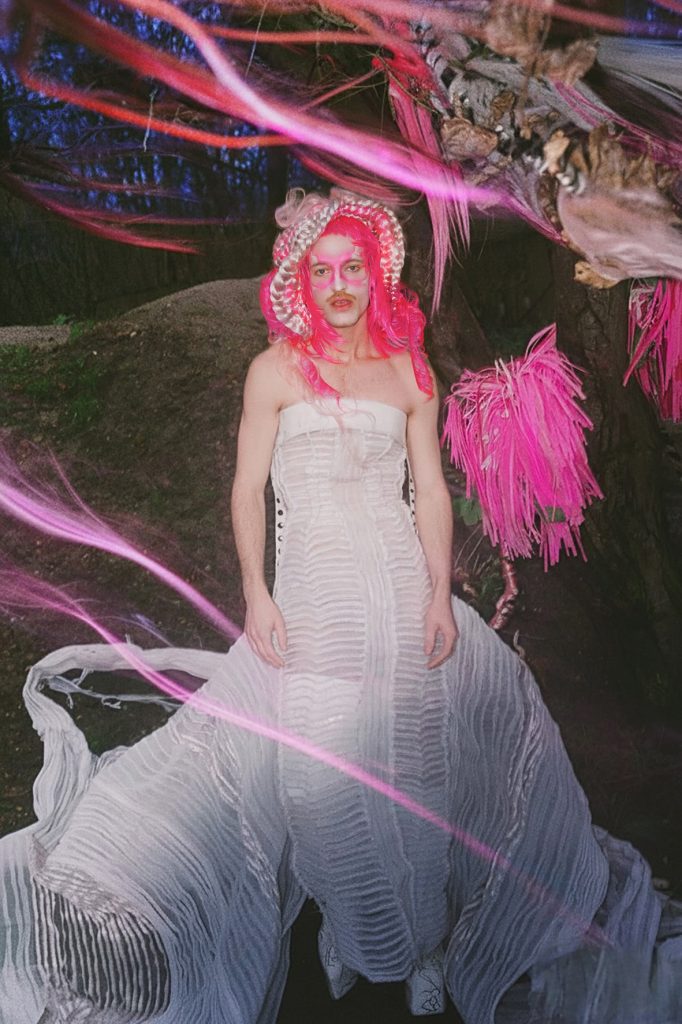
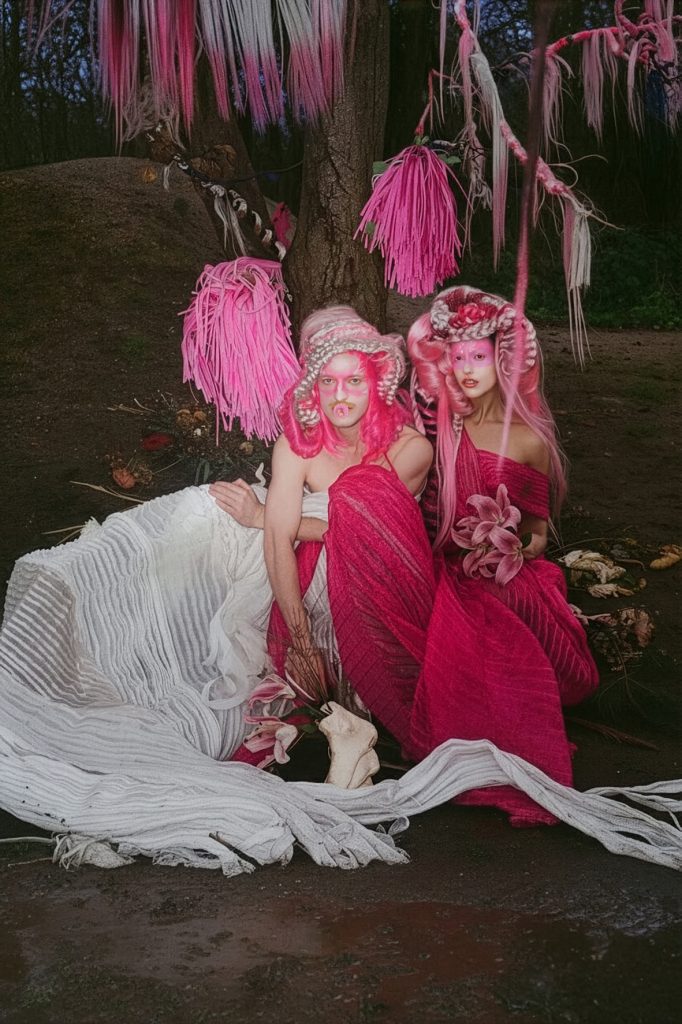
In this intimate body of work, hair, branches, flowers, water and light become materials for exploring what remains after someone is gone. The photographs move between the physical and the imagined, creating a world where the boundaries between body, nature and memory begin to dissolve.
At the centre of the series are sculptural works made from long strands of hair, braided, wrapped and knotted around natural branches. The process is slow and tactile. Each knot holds tension while also suggesting connection — separate strands brought together, much like lives intertwined through family, memory and loss.
The work carries a deeply personal meaning. Badiei created the series while moving through the grief of losing his mother, following the earlier loss of his father. His own history of displacement — from Iran to Pakistan and eventually New Zealand, Australia and the UK — has shaped an ongoing relationship with ideas of belonging, movement and home. Yet the photographs do not remain within the language of mourning.
Instead, they suggest transformation.
Flowers appear where bodies once were. Hair becomes something almost organic, moving between the human and the natural world. Water reflects another reality. Branches become extensions of the body. And a recurring metallic green moves through the imagery like a quiet symbol of renewal — a colour associated with eternal life, memory and the possibility of another beginning.
There is something deliberately dreamlike about these images. They do not attempt to explain grief or offer a simple idea of what comes after death. They leave space for uncertainty, allowing memory to take its own form.
Perhaps that is where the power of the series lies: in its refusal to treat loss as disappearance.
What is loved may change its form.
It may become a colour, a flower, a gesture, a piece of light — something almost invisible, yet still present.
Between mourning and transformation, Badiei’s work asks a quiet question: what if those we lose do not simply disappear, but continue to exist in another form?
And perhaps, in that space between what is gone and what refuses to disappear, memory becomes a form of presence.
Clothing :
Maximilian Raynor @maximilianraynor,
SEBASTIEN KWOK @sebastienkwok,
Shannen Maria samuel @shannenmariasamuel
Boots :
Natacha Marro @natachamarro
Artist: Sepehr Badiei @badieisepehr
Photographer: Charlie Tallott @charlie_tallott
Models: Sven Ironside @sven.ironside
Dafni Krazoudi @dafnikrazoudi
Make up: Kevin Cordo @kevin.cordo
Retouched: Elizabeth Derby and @helen_bykova_retoucher @studioandrews
Special thanks to: @aportugueseloveaffair
@medbriordan @shannenmariasamuel, Elizabeth Derby & Dave Andrews